Elevate Your Manufacturing Top Quality With Professional CNC Machining Solutions in Milling and Turning
CNC machining solutions in milling and turning offer substantial benefits for producing operations. These processes assure accuracy and effectiveness, important for producing premium elements. With advanced technology and knowledgeable machinists, businesses can attain detailed layouts and remarkable surfaces. Understanding the subtleties of these solutions is necessary for optimizing their advantages. What variables should companies take into consideration when selecting the best CNC machining companion?
Comprehending CNC Machining and Its Advantages
Many producing procedures exist, CNC machining stands out due to its precision and effectiveness. This innovative manufacturing method makes use of computer-controlled makers to generate elaborate get rid of minimal human intervention. By automating the machining procedure, it greatly decreases the chance of human error, guaranteeing constant top quality across production runs
CNC machining provides many advantages that interest various industries. To start with, it fits intricate designs that conventional techniques might battle to attain. The rate of production is enhanced, permitting for quicker turn-around times and enhanced outcome. In addition, CNC machining is versatile, appropriate for a vast array of products, consisting of plastics, composites, and metals.
Additionally, the procedure enables simple changes, allowing quick prototyping and customization without considerable retooling. As a result, businesses can react quickly to market demands, making CNC machining an important part of contemporary production strategies.
The Value of Accuracy in Milling Processes
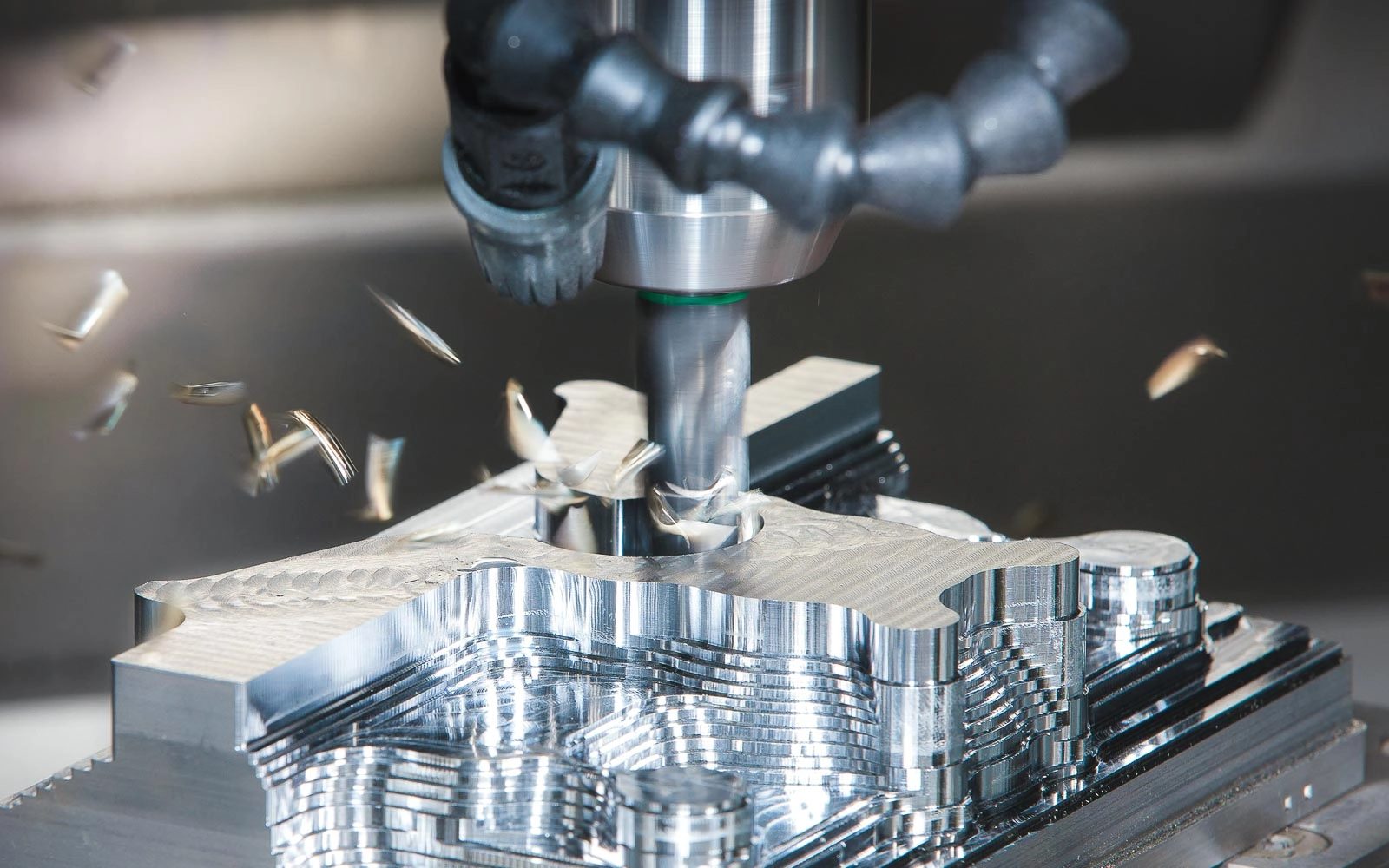
Precision is important in grating processes, as it straight affects the precision of the final product. The choice of materials also plays a substantial duty, impacting exactly how well the machining procedure fulfills specified tolerance standards. Recognizing these components is necessary for achieving perfect cause CNC machining.
Duty of Precision
Achieving high levels of accuracy is important in crushing procedures, as also the tiniest inconsistency can bring about significant mistakes in the final product. Accuracy in CNC machining directly affects the efficiency, performance, and durability of the made parts. Precise milling assurances that dimensions and resistances are satisfied, which is essential for components that need to fit with each other effortlessly in setting up or run under particular problems. Additionally, the duty of accuracy includes minimizing waste and rework, thus improving overall manufacturing performance. Advanced CNC devices equipped with sophisticated software and tooling add to achieving the essential accuracy. By focusing on precision in milling, suppliers can ensure top quality outcomes that satisfy strict industry requirements and customer expectations.
Material Option Impact
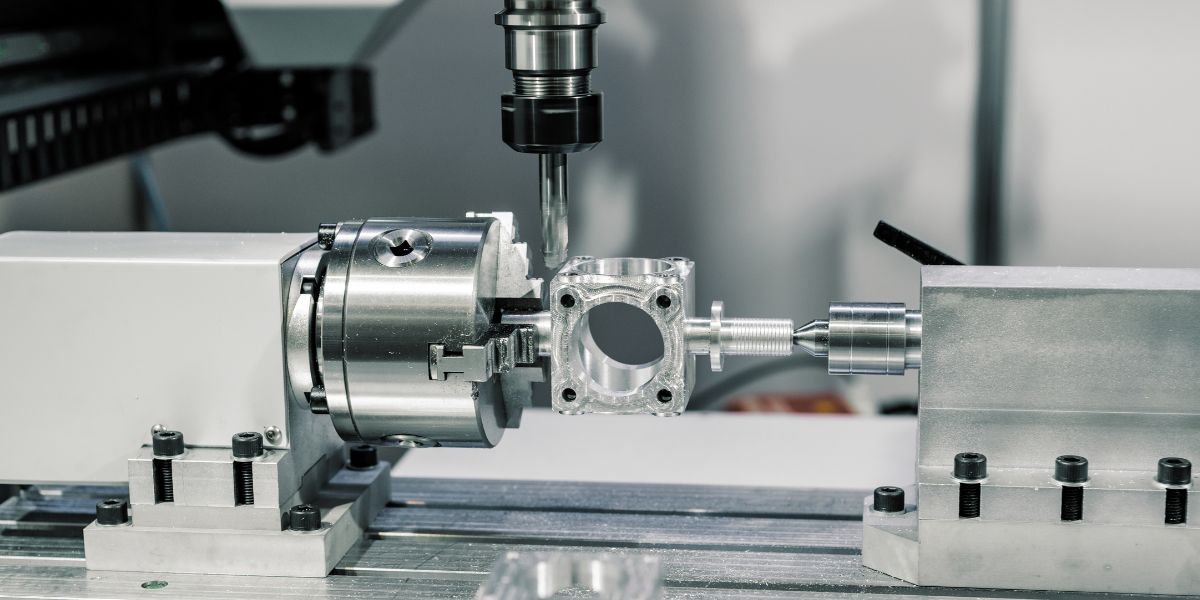
Material choice plays a crucial role in the milling process, affecting both the high quality of the final item and the effectiveness of manufacturing. Different materials show special residential or commercial properties such as solidity, tensile stamina, and machinability, which directly influence the milling technique utilized. Harder materials may need specific tools and slower feed prices to stop tool wear and keep precision. Alternatively, softer products can be grated at higher rates yet may lack toughness. In addition, the selection of material can impact surface area finish and dimensional accuracy, requiring mindful consideration by manufacturers. Inevitably, choosing the appropriate product not only improves product efficiency however additionally maximizes the milling process, reducing waste and enhancing total efficiency.
Tolerance Standards Relevance
While the choice of products is vital, adherence to resistance criteria is equally critical in CNC machining processes. Resistance standards determine the acceptable limitations of variant in dimensions, ensuring components fit and function correctly. In milling and turning operations, specific tolerances boost product top quality, decrease waste, and lessen rework. When resistances are properly maintained, makers can attain consistent outcomes, which is critical for industries such as aerospace, automotive, and clinical devices, where precision is vital. Variances from developed criteria can lead to setting up issues, compromised performance, and raised prices. Understanding and carrying out proper tolerance criteria is fundamental for any CNC machining solution seeking to maintain high manufacturing high quality and fulfill customer specs effectively.
Enhancing Effectiveness Via Advanced CNC Transforming
Advanced CNC turning methods significantly boost effectiveness in component production by ensuring high accuracy in manufacturing. This enhanced accuracy not only boosts the overall high quality of the parts generated yet likewise adds to lowered production time. Therefore, producers can attain better output while preserving stringent quality standards.
Precision in Part Development
CNC transforming innovation has actually changed accuracy in component creation, enabling suppliers to accomplish exceptional accuracy and performance. Making use of computer-controlled lathes, this sophisticated procedure carefully forms materials right into detailed layouts, making certain limited resistances that satisfy requiring requirements. The automation intrinsic in CNC transforming reduces human error, leading to consistently top quality components customized to details demands. Additionally, the capability to swiftly change digital layouts permits rapid models, boosting the customization of parts without sacrificing precision. As an outcome, industries varying from aerospace to auto advantage significantly from these improvements, as they can generate intricate geometries easily. Eventually, CNC transforming stands as a keystone of modern-day manufacturing, driving accuracy and integrity in element development.
Lowered Production Time
Trick Technologies in CNC Machining
Countless essential modern technologies drive the efficiency and precision of CNC machining, making it possible for suppliers to produce intricate components with high precision. Central to these improvements are Computer system Assisted Style (CAD) and Computer System Helped Manufacturing (WEB CAM) software, which enhance the design-to-production procedure. CAD enables for elaborate layouts to be developed and manipulated digitally, while web cam converts these designs right into machine directions.
Further improving accuracy are multi-axis machining centers, which make it possible for reducing devices to move along multiple axes simultaneously, decreasing the demand for multiple configurations - tool and die maker. In addition, developments in tooling materials and coverings have actually improved toughness and performance, permitting for better surface coatings and extended tool life
Automation modern technologies, consisting of robotics and smart software, promote real-time monitoring and modifications throughout production, ensuring consistency and quality. Jointly, these technologies not only boost production capabilities yet also add to the overall reliability of CNC machining solutions.
The Duty of Competent Machinists in Quality Production
Skilled machinists play an important function in guaranteeing the quality and precision of CNC machining manufacturing. Their knowledge straight influences the end result of manufacturing processes, as they interpret technological illustrations, established machines, and pick appropriate devices for each and every task. By having a deep understanding of machining concepts, they can make real-time adjustments to enhance performance and maintain limited helpful hints resistances.
In addition, experienced machinists use their analytic capacities to determine and fix concerns during production, stopping defects and ensuring that the end products satisfy rigorous top quality requirements. Their knowledge with various products and machining techniques enables them to adjust to diverse project requirements, enhancing total effectiveness
Additionally, these professionals typically team up with engineers and designers, giving useful understandings that contribute to the continuous enhancement of production techniques. Eventually, the relevance of competent machinists in CNC machining can not be overstated, as they create the foundation of high-grade production procedures.
Reducing Waste and Optimizing Resources
Reliable CNC machining not just counts on the competence of experienced machinists yet also stresses the significance of reducing waste and maximizing resources throughout the manufacturing process. By employing sophisticated modern technologies and accurate shows, producers can reduce material waste, guaranteeing that every item of raw material is made use of successfully.
Including techniques such as nesting, where parts are organized to make best use of product use, can significantly reduce scrap production. In addition, real-time tracking of device efficiency enables immediate changes, protecting against overflow and source depletion.
Furthermore, executing sustainable methods, such as recycling steel shavings and utilizing environmentally friendly products, adds to both expense savings and ecological duty.
Via these actions, CNC machining services can boost performance while preserving high-quality standards, inevitably causing an extra lasting and profitable procedure. By prioritizing source optimization, services can attain better performance and a lowered ecological impact in their manufacturing processes.
Picking the Right CNC Machining Solution for Your Demands
Just how does one identify the ideal CNC machining solution for certain project needs? Picking the proper CNC machining service includes several important factors to consider. Project requirements, including material measurements, resistances, and types, have to be plainly defined. This guarantees that the selected solution can satisfy the technical demands of the project.
Second, assessing the provider's competence and experience in the pertinent market can offer understandings right into their abilities. Taking a look at past jobs and customer endorsements can even more educate the decision.
Third, examining the available technology and equipment is essential, as advanced equipment often brings about higher precision and efficiency.
Finally, price and turnaround time should be thought about to assure the service aligns with budgetary restrictions and due dates. By meticulously assessing these elements, businesses can identify the CNC machining solution that finest fits their special manufacturing requirements.
Often Asked Concerns
What Products Can Be Made Use Of in CNC Machining?
CNC machining can utilize a range of materials consisting of steels like titanium, aluminum, and steel, as well as plastics such as acrylic and nylon, and compounds, offering convenience for various manufacturing applications and industries.
How much time Does a Common CNC Machining Project Take?
A typical CNC machining project can take anywhere from a couple of days to several weeks, relying on aspects such as complexity, product kind, design specs, and manufacturing volume. Timelines differ based on job demands and seriousness.
Are CNC Machining Solutions Eco-friendly?
CNC machining solutions can be eco-friendly, especially when using sustainable materials and effective processes. Waste decrease and energy-efficient machinery contribute to a reduced environmental effect, making these solutions a practical alternative for eco-conscious manufacturing.
What Industries Typically Make Use Of CNC Machining Services?
CNC machining services are commonly used in various markets, consisting of vehicle, you can try these out aerospace, electronic devices, clinical devices, and manufacturing. These fields depend on accuracy machining for components that need high precision, performance, and repeatability in production processes.
Just How Can I Prepare My Styles for CNC Machining?
To prepare designs for CNC machining, one need to assure proper data layouts, optimize dimensions for tolerance, integrate necessary machining functions, and consider product buildings. In addition, supplying in-depth paperwork can boost the manufacturing procedure's effectiveness and accuracy.
While the choice of materials is important, adherence to tolerance criteria is similarly crucial in CNC machining processes. Knowledgeable machinists play a necessary function in ensuring the top quality and accuracy of CNC machining production. A regular CNC machining project can take anywhere from a few days to numerous weeks, depending on factors such as complexity, material kind, style requirements, and production quantity. CNC machining services can be environmentally pleasant, especially when utilizing sustainable materials and effective procedures. To prepare layouts for CNC machining, one must ensure proper documents layouts, optimize dimensions for tolerance, incorporate needed machining functions, and consider product homes.